Be yourself; Everyone else is already taken.
— Oscar Wilde.
This is the first post on my new blog. I’m just getting this new blog going, so stay tuned for more. Subscribe below to get notified when I post new updates.
Be yourself; Everyone else is already taken.
— Oscar Wilde.
This is the first post on my new blog. I’m just getting this new blog going, so stay tuned for more. Subscribe below to get notified when I post new updates.
Discipline imposed from the outside eventually defeats when it is not matched by desire from within.
SELF DISCIPLINE
First of all, what is discipline?
Discipline is the practice of training people to obey rules or a code of behavior, using punishment to correct disobedience.
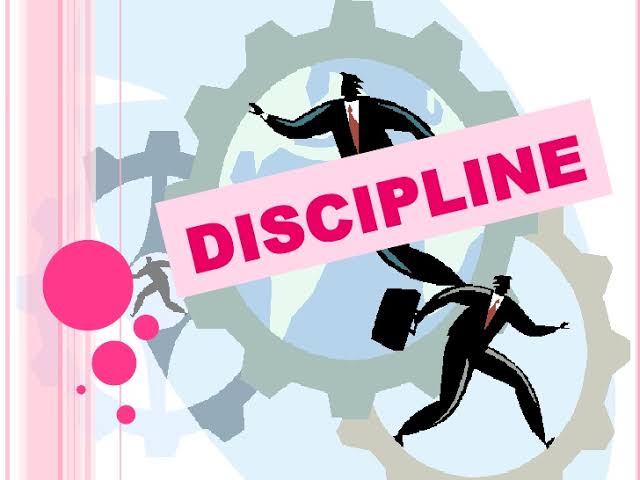
We all know that is hard to discipline some people sometimes especially childrens

SELF DISCIPLINE
Self-discipline is one of the most important and useful skills everyone should possess. This skill is essential in every area of life, and though most people acknowledge its importance, very few do something to strengthen it.
Contrary to common belief, self-discipline does not mean being harsh toward yourself, or living a limited, restrictive lifestyle. Self discipline means self control, which is a sign of inner strength and control of yourself, your actions, and your reactions.
Self discipline gives you the power to stick to your decisions and follow them through, without changing your mind, and is therefore, one of the important requirements for achieving goals.
The possession of this skill enables you to persevere with your decisions and plans until you accomplish them. It also manifests as inner strength, helping you to overcome addictions, procrastination and laziness, and to follow through with whatever you do.
One of its main characteristics is the ability to reject instant gratification and pleasure, in favor of some greater gain, which requires spending effort and time to get it.
SELF DISCIPLINE HELPS YOU TO:

These are the things that helps easier for you to strenghten your discipline
DISCIPLINE ALSO EXPRESS ITSELF IN A VARIETY OF WAY
These are the following:
Life puts challenges and problems on the path to success and achievement, and in order to rise above them, you have to act with perseverance and persistence, and this of course, requires self-discipline.
The possession of this skill leads to self-confidence and self esteem, and consequently, to happiness and satisfaction.
On the other hand, lack of self discipline leads to failure, loss, health and relationships’ problems, obesity, and to other problems.
This skill is also useful for overcoming eating disorders, addictions, smoking, drinking and negative habits. You also need it to make yourself sit and study, exercise your body, develop new skills, and for self improvement, spiritual growth and meditation.
As said earlier, most people acknowledge the importance and benefits of self discipline, but very few take real steps to develop and strengthen it. However, you can strengthen this ability like any other skill. This is done through training and exercises, which can find at this website.
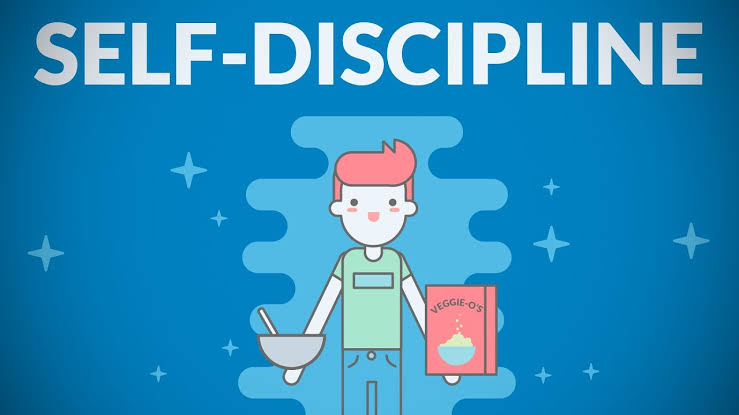
Some of characteristics and habit of self discipline person
They Commit.
Disciplined people are true to their word. When they make a decision to do something, it’s set in stone, and they don’t even need an accountability partner to keep them on track.
2. They Avoid Temptation.
Resisting temptation is so hard isn’t it? Well, guess what? It’s hard for everyone, and that includes the highly disciplined person as well. They’re not necessarily better at resisting temptations, they’re just better at avoiding them all together!
3. They Take Care of Themselves.
Their body is their temple. Things like sleep, good nutrition and exerciseare high on their to-do list. It’s not just about their health; they know the impact these areas have on other aspects of their well-being, such as in their mood, work performance, and relationships.
4. They Work at Developing Habits.
Many people look at a disciplined life as being synonymous with a deprived life. But that’s not the way they see it. They only see that they are gaining a new habit, which takes time and energy to establish.
5. They Set Boundaries.
To lead a disciplined life, you need to know your limitations, especially when it comes to your time. Setting boundaries and saying no to things you don’t want to do or that are distractions makes room to accomplish what is essential and important in each day.
6. They Revel in Routine.
Routine is the cornerstone of discipline, especially when it comes to efficiency and time management. This can be done in many ways, including running every day before even looking at emails, so you can start your day with a clear and open mind, or wearing a uniform of Jeans and a black t-shirt like Mark Zuckerberg, so you don’t have to waste time thinking about what you’re going to wear.
7. They Lead with Their Mind Over Their Mood.
They don’t let their feelings—such as not being in the mood to go to the gym on any given morning—get in the way of actually going. They just focus on the routine and stick to it.
8. They Clearly Define their Goals.
All this discipline leads to more than just very fit, well-rested bodies. It usually produces high-achieving professionals. They know that if a goal is too vague it’s not likely to be achieved. The more specific goals the goals they add to their to-do list are, the greater the possibility of accomplishing them is.
9. They Live and Die by Deadlines.
Their calendars are king. They don’t just set goals; they give themselves strict timelines using clear mini goals and milestones as markers to keep them on track along the way.
10. They Keep Their Eye on The Prize.
Probably the most well-known test of discipline is the famed marshmallow test. In the test, kids were asked to sit in front of a marshmallow and were faced with a choice. Eat the marshmallow now, or, if they could resist eating it, they would get two! People who are highly self-disciplined can pass up immediate gratification in the pursuit of greater long-term gains.
ALWAYS REMEMBER THAT DISCIPLINE STARTS FROM OURSELVES NOT ON OTHERS
END
This is an example post, originally published as part of Blogging University. Enroll in one of our ten programs, and start your blog right.
You’re going to publish a post today. Don’t worry about how your blog looks. Don’t worry if you haven’t given it a name yet, or you’re feeling overwhelmed. Just click the “New Post” button, and tell us why you’re here.
Why do this?
The post can be short or long, a personal intro to your life or a bloggy mission statement, a manifesto for the future or a simple outline of your the types of things you hope to publish.
To help you get started, here are a few questions:
You’re not locked into any of this; one of the wonderful things about blogs is how they constantly evolve as we learn, grow, and interact with one another — but it’s good to know where and why you started, and articulating your goals may just give you a few other post ideas.
Can’t think how to get started? Just write the first thing that pops into your head. Anne Lamott, author of a book on writing we love, says that you need to give yourself permission to write a “crappy first draft”. Anne makes a great point — just start writing, and worry about editing it later.
When you’re ready to publish, give your post three to five tags that describe your blog’s focus — writing, photography, fiction, parenting, food, cars, movies, sports, whatever. These tags will help others who care about your topics find you in the Reader. Make sure one of the tags is “zerotohero,” so other new bloggers can find you, too.

 H.D Discipline blog